
Auto Insurance
How Much Is Tesla Insurance?

After looking at the price tag, if you’ve ever thought about purchasing a Tesla, you’ve undoubtedly questioned, “How much is Tesla insurance, really?” It’s a legitimate query. Although Teslas are among the most sophisticated electric cars available today, their superior technology frequently results in increased maintenance and repair expenses, which have an immediate impact on insurance rates.
I can tell you that insuring a Tesla can be very different from insuring a conventional gas car because I have reviewed hundreds of auto insurance rates over the years, including for EVs like Tesla, Rivian, and Polestar. Tesla insurance premiums might vary more than most people anticipate due to factors like specialized parts, sophisticated sensors, and even the cost of recalibrating autopilot cameras.
Depending on the model and area, the average annual cost of insurance for a Tesla can range from $1,800 to $3,500, according to current data from the insurance sector. That is more than the $1,700 national average for basic cars. However, those figures don’t fully capture the picture. Tesla’s own insurance scheme, which was first offered in a few US states, has begun to transform the market by rewarding good driving practices with usage-based pricing.
In this post, we’ll examine how much Tesla insurance will cost in 2025 using data-driven, easily comprehensible analysis, discuss why it tends to be more expensive, and offer helpful advice to help you save money. This essay will provide you with a straightforward, reliable overview—without the jargon or hype—whether you’re comparing a Model 3 to a Model Y or just determining whether Tesla’s in-house insurance is worthwhile.
By the time it’s all over, you’ll know precisely how much Tesla insurance will cost and how to obtain the best deal for your electric vehicle.

How Much Is Tesla Insurance on Average
Prices for Tesla insurance in 2025 can differ significantly based on your model, location, driving history, and even the insurer you select. However, we have a solid idea of what the majority of Tesla buyers may anticipate paying thanks to current industry data.
The average annual cost of Tesla insurance in the United States is between $1,800 and $3,800, according to statistics from sources including The Zebra, Bankrate, and Insurify’s 2025 auto insurance reports. This amounts to $150 to $320 a month, which is significantly more than the $1,700 annual national average for all cars.
The primary cause? Modern technology abounds in Teslas, including sensors, cameras, and battery systems that might be expensive to replace or repair following an accident. The risk is priced into your premiums by insurance providers.
The average yearly cost to insure a Tesla in 2025 is broken down by model here:
| Tesla Model | Average Annual Insurance Cost (USD) | Average Monthly Cost (USD) | Risk Level |
| Model 3 | $1,800 – $2,500 | $150 – $210 | Moderate |
| Model Y | $2,000 – $2,700 | $170 – $225 | Moderate–High |
| Model S | $2,800 – $3,800 | $230 – $320 | High |
| Model X | $3,000 – $4,200 | $250 – $350 | High |
| Cybertruck | $2,700 – $3,600 | $225 – $300 | High |
Please Note: These estimates are predicated on an average U.S. location, a spotless driving record, and complete coverage (liability, collision, and comprehensive). Depending on your state and individual circumstances, your quotation may be greater or lower.
Why Tesla Insurance Cost Matters
The idea that Tesla insurance is usually pricey is one of the most common misconceptions about it. In actuality, a Model 3 or Model Y can occasionally be insured for less than many high-end gas-powered vehicles, particularly if you use Tesla’s internal insurance scheme or are eligible for discounts.
For continuously safe drivers, Tesla’s own insurance can occasionally lower prices by 20–30% thanks to real-time driving data and “Safety Score” technology. This method is changing the way insurers assess risk, so it’s important to see if your state offers it.
Why Is Tesla Insurance Higher Than Average?
It’s no secret that Tesla insurance typically costs more than insurance for the majority of conventional cars, but knowing why might help you make better financial choices. Tesla automobiles are constructed, repaired, and assessed differently by insurance companies. Let’s examine the primary causes of the increased premiums.
High Repair and Parts Costs
The cost of parts and repairs is one of the main factors raising the cost of Tesla insurance. Modern technology and sophisticated materials are used in the construction of Teslas, which might be costly to repair following an accident.
For example, recalibrating several sensors or cameras utilized by the car’s driver-assistance systems may be necessary for a straightforward fender repair on a Tesla Model Y. Even little crashes might result in complicated and expensive repairs, which are frequently only performed at Tesla-approved repair facilities.
Tesla insurance prices are frequently more than typical since insurance companies consider that larger possible payout into your premium.
Expensive Battery Systems
The most important and vital part of every Tesla is the battery pack. Depending on the model and degree of damage, replacing or fixing a damaged battery might cost anywhere from $10,000 to $20,000.
Insurance companies have to account for the risk even if battery failures are uncommon. If the battery compartment is damaged in an accident, the entire pack might need to be replaced, which would be significantly more expensive than repairing a typical engine part in a gas-powered vehicle.
Limited Repair Network
Compared to conventional automakers, Tesla has a smaller network of authorized repair facilities. This restricted access may result in increased labor costs and longer repair periods, both of which have an impact on insurance rates.
In certain areas, insurers also have trouble finding authentic Tesla parts fast, which lengthens the time it takes to process claims and adds extra expense.
High Vehicle Value and Performance
Let’s be honest: Teslas are high-performance cars in addition to being environmentally responsible. For instance, a Tesla Model S Plaid can go from 0 to 60 miles per hour in less than two seconds.
Although such power is exhilarating, there is a statistically significant increase in the likelihood of high-speed collisions. High-horsepower cars are seen by insurers as more likely to be involved in expensive claims, which raises premiums, particularly for the Model S and Model X.
Advanced Technology and Sensors
The Autopilot and Full Self-Driving (FSD) systems of every Tesla are fed by dozens of ultrasonic sensors, radar units, and high-definition cameras. These parts are delicate and costly to replace.
A typical auto shop cannot recalibrate cameras for even a damaged windshield. This is another factor contributing to Tesla insurance premiums being higher than those of typical cars.
Data Still Limited for Insurers
Insurance companies don’t have decades of data to forecast claim patterns like they do with conventional cars because Teslas are relatively new to the mass market. Because of this uncertainty, insurers frequently set the price of Tesla coverage conservatively, or somewhat higher, to protect against unidentified hazards.
Analysts anticipate a gradual decline in Tesla insurance rates as more vehicles are driven and insurers collect more performance and repair data.
State Regulations and Regional Differences
The cost of insurance also varies by location. Due to factors like population density, accident frequency, and maintenance expenses, states like California, Florida, and New York typically have higher average Tesla insurance prices. In the meantime, drivers in Colorado or Texas may pay less for the same model and coverage.
Although Tesla insurance may initially seem expensive, there is a benefit. Teslas include cutting-edge safety and driver-assistance systems that can lessen the chance of serious collisions. Insurance firms may eventually start to provide lower rates to reflect lesser risk when these safety benefits begin to appear in claim statistics.
Additionally, conscientious Tesla owners can already save a lot of money because the company’s insurance scheme uses real-time driving behavior rather than broad risk classifications.
Tesla Insurance Cost by Model
| Tesla Model | Average Annual Cost (USD) | Average Monthly Cost (USD) | Risk Level | Typical Driver Profile |
| Model 3 | $1,800 – $2,500 | $150 – $210 | Moderate | Commuters, first-time Tesla buyers |
| Model Y | $2,000 – $2,700 | $170 – $225 | Moderate–High | Families, daily drivers |
| Model S | $2,800 – $3,800 | $230 – $320 | High | Luxury or performance enthusiasts |
| Cyber Truck | $2,700 – $3,600 | $225 – $300 | High | Early adopters, adventure users |
| Model X | $3,000 – $4,200 | $250 – $350 | High | SUV owners, tech-focused buyers |
Tesla Model 3: The Most Affordable to Insure
In terms of both purchase price and insurance, the Tesla Model 3 remains the brand’s most affordable choice. Compared to other Tesla models, it is less expensive to insure due to its smaller size, superior safety ratings, and less repair costs.
- Average Annual Cost: $1,800 – $2,500
- Why It’s Cheaper: Less complex components, wide availability of parts, and a lower vehicle value.
- How to Save More: Compare quotes from Tesla Insurance, GEICO, and Progressive, and maintain a high Safety Score through the Tesla app for potential discounts.
Tesla Model Y: Balanced SUV With Moderate Rates
The Tesla Model Y is a small SUV that balances performance and usefulness. Because of its higher value and heavier frame, it costs a little more to insure than the Model 3.
- Average Annual Cost: $2,000 – $2,700
- Why It Costs More: Larger body panels, costlier sensors, and higher average mileage per year.
- Saving Tip: Bundle auto and home insurance policies to access multi-policy discounts, or check if Tesla Insurance is available in your state for usage-based pricing.
Families adore the Model Y because of its roominess and safety, which frequently partially compensate for the greater price.
Tesla Model S — Luxury and Speed Come at a Price
Insurance companies view the Model S as Tesla’s premium performance vehicle. Higher repair and replacement expenses are a result of its aluminum body, high-end electronics, and remarkable acceleration.
- Average Annual Cost: $2,800 – $3,800
- Why It’s Expensive: Expensive bodywork, top-tier performance (0–60 mph in under 2 seconds), and complex technology.
- How to Cut Costs: Choose a higher deductible and take advantage of safe-driver or low-mileage discounts if available.
Because they are categorized by insurers as premium sports vehicles, drivers of performance versions such as the Model S Plaid frequently pay insurance rates that are close to those of supercars.
Tesla Model X — The Highest-Priced to Insure
The Tesla Model X is the most costly Tesla to insure due to its Falcon Wing doors and SUV style. Insurance companies anticipate higher claim payouts due to the distinctive design, huge battery, and significant maintenance complexity.
- Average Annual Cost: $3,000 – $4,200
- Why It’s Highest: Expensive materials, specialized labor for repairs, and powerful performance specs.
- Smart Saving Strategy: Use Tesla’s own insurance if available — it bases premiums on your real-time driving behavior rather than broad risk categories.
The Model X is still among the safest SUVs ever tested, despite its higher insurance cost. As more safety information becomes available, premiums may be lowered in subsequent years.
Tesla Cybertruck : New and Still Evolving
In order to appropriately price Tesla’s newest model, the Cybertruck, underwriters are currently collecting data. Rates appear to be in the middle of the Model Y and Model S.
- Estimated Annual Cost: $2,700 – $3,600
- Why It’s Uncertain: Unique stainless-steel body panels and new repair processes with limited technician experience.
- Advice: Expect fluctuations in premiums during the first few model years until insurers develop reliable claim statistics.
Cybertruck insurance premiums should level out as repair networks grow, maybe approaching Model Y levels.
Where Is Tesla Insurance Available?
Elon Musk, the CEO of Tesla, only announced the program in 2019, making Tesla Insurance one of the newest carriers on the market. Due to the fact that only 12 states allow drivers to obtain coverage, availability is currently restricted. As of June 2025, the following locations offer Tesla insurance:
- Arizona
- Colorado
- Illinois
- Maryland
- Minnesota
- Nevada
- Ohio
- Oregon
- Texas
- Utah
- Virginia
Read also: Does Insurance Cover Vasectomy?
Tesla Insurance Customer Reviews
John Says:
“My experience with Tesla insurance has been great. When I filed the claim and selected the Tesla collision center, the adjuster’s initial response stated clearly the best way to communicate is through email or text during business hours and expect 24‑48 hours for a reply. All of my questions/requests are handled/answered within a day. One nice thing – it is true that with Tesla insurance and Tesla collision center, car parts have 50 % off.”
Donatus Says:
“I’ve been dealing with two claims with Tesla Insurance … For the one still ongoing, it’s been two months of constantly failing to establish contact with our rep. Every little maintenance thing or issue I have had in the past, was somehow always made worse … I got Tesla insurance with my car back in 2022. I cancelled within the first week. Now I drive without worrying … I also don’t get dinged for driving late at night. Total scam.”
Gladis Says:
“When I first signed up for Tesla insurance I was so nervous … I’m getting my windshield replaced … All I did was create the service appointment in the app and message the service center about having Tesla insurance and what to do next. The service center stated … it took one day! This vertical integration is the way 😤”
Febian Says:
“I recently dealt with a claim … I had no problem getting him on the phone … and … the check is in the mail after a week and a half for over $4,000 damage.”
Jonny Says:
“I’ve been dealing with a claim for over six weeks now… I even waited on the phone for 2.5 hours, only to be transferred in a constant loop.”
“My premium went from $114 to $275, then $392. Customer support was unresponsive.”
FAQs On Tesla Insurance Cost
How much does Tesla insurance cost?
Your model, location, driving history, and coverage level all affect how much Tesla insurance will cost. In 2025, on average:
- Model 3: $1,800 – $2,500/year ($150–$210/month)
- Model Y: $2,000 – $2,700/year ($170–$225/month)
- Model S: $2,800 – $3,800/year ($230–$320/month)
- Model X: $3,000 – $4,200/year ($250–$350/month)
- Cybertruck (estimated): $2,700 – $3,600/year ($225–$300/month)
Because of the difficulty of repairs, high cost of batteries, and sophisticated technology, Tesla insurance is typically a little more expensive than the national average for conventional automobiles.
Is Tesla insurance cheaper than regular insurance?
A few U.S. states provide Tesla Insurance, an insurance program owned by Tesla. It instantly connects to your Tesla car and app, enabling Tesla to:
- Track driving behavior (with your consent) for Safety Score-based discounts
- Streamline claims via Tesla-certified repair centers
- Offer real-time policy management via the Tesla app
The system rewards safe driving and reduces administrative friction, though it is currently limited to certain states.
What do Tesla Insurance customers say?
Customer reviews are mixed but highlight some advantages:
- Pros: Easy online policy management, digital integration with your Tesla, potential savings for safe drivers, and fast claims in some cases.
- Cons: Limited availability, slow customer support for complex claims, and occasional premium increases based on Safety Score.
Positive experiences are often reported when:
- Drivers live in supported states
- Claims are straightforward (minor accidents or windshield repairs)
- Policyholders actively use Tesla’s Safety Score feature.
Does Tesla Insurance cover Autopilot or Full Self-Driving (FSD) features?
Yes, Autopilot and FSD-equipped vehicles are covered by Tesla Insurance. Nevertheless, the coverage is conventional liability, collision, and comprehensive; it does not shield you from hackers or software abuse. Because sensor and camera repairs are expensive, insurance premiums may be a little higher for cars with these systems.
How can I lower my Tesla insurance premiums?
Here are some proven strategies:
- Maintain a clean driving record
- Drive a Model 3 or Model Y, which have lower premiums
- Use Tesla’s Safety Score program (if available in your state)
- Increase your deductible
- Bundle auto and home insurance with the same provider
- Park in secure locations to reduce theft or damage risk
Is Tesla Insurance available in my state?
Only a few U.S. states presently offer Tesla insurance. You must verify your state’s eligibility on the Tesla Insurance website as Tesla is progressively increasing coverage. Standard auto insurance companies like Geico, Progressive, and State Farm are your options if they are not available.
Can I switch from Tesla Insurance to another provider?
Yes. You can cancel Tesla Insurance and switch to a different supplier, just as with any other auto insurance. To prevent any coverage gaps, make sure your new policy is operational before canceling. Pricing, limited state availability, or customer service preferences are the main reasons why many customers transfer.
Is Tesla Insurance worth it?
Tesla Insurance can be worth it for safe drivers in supported states, especially if you:
- Prefer digital convenience
- Want fast access to Tesla-certified repair centers
- Are looking for usage-based discounts
However, you might wish to check prices from traditional insurers if you live outside of the supported states or desire individualized customer service.
Conclusion
Model, location, and driving habits all affect how much Tesla insurance costs; the Model 3 is often the least expensive and the Model X the most costly. Tesla Insurance offers special benefits like real-time driving data savings, direct integration with Tesla vehicles, and access to Tesla-certified service shops, even if premiums may be higher than those of typical automobiles due to repair complexity, battery costs, and advanced technology.
Owners of Tesla vehicles can discover the greatest coverage at the most affordable price by researching Tesla’s Safety Score program, knowing the cost of insurance for your model, and comparing quotes from other carriers. In the end, tech-savvy drivers looking for specialized coverage for their EV will find Tesla Insurance to be a practical and cutting-edge choice.

“Can I insure a car not in my name?” is a common question from drivers. Yes, but only in certain circumstances, is the straightforward response. You might still be eligible for coverage if you frequently drive a car that you don’t own, such as a family car, a business automobile, or one you’re paying for. However, before approving a policy, insurance firms need evidence of an insurable interest and frequently the owner’s approval.
This page describes the legal requirements, available policy alternatives, when it is feasible to insure an automobile that is not in your name, and how to maintain complete protection while adhering to insurance regulations.

Understanding Car Ownership and Insurance
It’s crucial to comprehend the relationship between vehicle ownership and auto insurance before determining if you may insure an automobile that isn’t registered in your name. Confusion frequently arises because, despite their close relationship, the two are not usually the same thing.
What Does It Mean to “Own” a Car?
Owning a car involves more than just driving or making the payments. The individual whose name appears on the vehicle’s title or registration documents is often the legal owner. This title demonstrates who is legally permitted to own, sell, or transfer the vehicle.
For example:
- If you bought a car and it’s registered in your name, you’re the legal owner.
- If your parent or spouse purchased a car but listed it under their name, they’re the registered owner, even if you use it daily.
- If a bank or finance company is still on the title, you’re a registered keeper, but the lender has ownership until the car is fully paid off.
Understanding who actually owns the car is the first step to determining who can insure it.
Read also: How Much Do Braces Cost Without Insurance?
How Car Insurance Works
The purpose of auto insurance is to safeguard the policyholder’s financial stake in a car. This implies that in the event that the car is damaged, stolen, or destroyed, the policyholder must stand to lose anything (money or property).
For instance, you can lawfully insure your own car as you will incur a direct financial loss if it is involved in an accident. However, the insurer has no obligation to reimburse you for any damages if you attempt to cover someone else’s vehicle without any ownership or financial connection. The idea of “insurable interest” becomes crucial at this point.
This idea is used by insurance firms to guard against fraud and make sure that only people with a genuine interest in the car file claims. Your insurance may be rejected, cancelled, or even deemed fraudulent if there is no insurable interest.
Why Ownership Affects Insurance Eligibility
The majority of insurers demand that the policyholder and the registered owner be the same individual or, at the at least, have a distinct, provable relationship, such as a spouse, child, business partner, or co-owner. This regulation guarantees that the insurer is aware of who is at risk and who gains from the coverage.
Let’s consider these two examples:
- Allowed: You’re insuring a car your spouse owns, and you’re listed as a co-driver or co-owner.
- Not Allowed: You’re trying to insure your friend’s car to help them get cheaper rates — this usually violates insurer rules.
In summary, since both car ownership and insurance deal with risk and financial responsibility, they go hand in hand. You must demonstrate that you have a legitimate cause or financial incentive to insure the vehicle if your name isn’t on it; otherwise, the insurance provider is likely to reject your application.
What Is Insurable Interest and Why It Matters
One of the most crucial—yet frequently misinterpreted—concepts in auto insurance is insurable interest. You can’t always insure an automobile that isn’t in your name because of this principle, which also establishes who is legally permitted to get auto insurance.
You must have a financial interest or legal obligation in the car you wish to cover in order for it to be considered an insurable interest. To put it another way, if that car is damaged, stolen, or destroyed, you should risk losing money or its worth.
Insurance is a financial safety net, not a risk. Therefore, you don’t have insurable interest and you can’t lawfully insure the car if you wouldn’t lose money if it were wrecked.
For instance:
- You do have insurable interest if you’re a co-owner, leaseholder, or the person making payments on the car.
- You don’t have insurable interest if you’re simply borrowing your friend’s car for a few months and want to buy a policy just to be “safe.”
Any policy you obtain without insurable interest is void as you have no legitimate basis for a claim.
Why Insurable Interest Matters
The foundation of auto insurance is risk, trust, and financial responsibility. The system might be readily misused if insurers permitted anyone to cover any kind of vehicle. People could insure automobiles they don’t own and then file false claims if those vehicles were damaged.
By requiring insurable interest, insurance companies ensure:
- The policyholder has a real stake in the vehicle.
- Claims are legitimate and backed by a financial loss.
- Ownership and responsibility are transparent.
This regulation guards against fraud and liability concerns for both the insurance company and the actual policyholder.
The Legal Implication of Not Having Insurable Interest
The policy may be cancelled or rejected at the time of claim if you try to insure a car without an insurable interest. This implies that even if you pay premiums for months, the insurer may decline to cover any damage or accident, claiming that you were never legally allowed to insure the vehicle in the first place.
Knowingly insuring property that does not belong to you may even be deemed insurance fraud in some jurisdictions. Because of this, it’s crucial to accurately state your relationship to the car whenever you apply for a coverage.
Can I Insure a Car Not in My Name?
The quick and shortest answer is yes, but it also depends on how you feel about the automobile and how much you want to buy it. Under certain conditions, you can insure a vehicle that isn’t in your name, but insurance companies and state laws also impose stringent restrictions.
Insurance companies typically demand that the policyholder and the owner of the car be the same individual. However, some insurers can make an exception if you can demonstrate that you have a legitimate rationale or financial interest in the vehicle. Let’s investigate both perspectives.
When You Can Insure a Car Not in Your Name
As long as you can demonstrate a legitimate relationship to the vehicle, there are a few typical circumstances in which insurers will let you cover an automobile you don’t legally own.
- Co-Ownership or Shared Vehicle Use
You can typically be added to the insurance policy or even get a combined policy if you and someone else (like your husband, partner, or parent) share ownership or use of a car.
Although your name may not be the only one on the title in this instance, you have an insurable interest due to your shared responsibility.
For example: One family vehicle, registered in your spouse’s name, is shared by you both. You can be named as a co-insured driver on the policy if you drive it frequently and help maintain it.
- Family or Household Cars
Insurance companies frequently permit one household member to insure another household member’s vehicle. This is typical when a family shares several cars or when parents insure autos for their kids.
For example: If a college-age child lives at home or uses the family address, a parent may insure an automobile purchased for them. Insurance companies frequently accept this arrangement because the parent has a financial interest even if the child’s name is on the title.
- Company or Work Vehicles
Your employer’s commercial auto policy typically protects you if you frequently drive a company-owned vehicle for work. In certain situations, your employer may let or mandate that you obtain hired-car or non-owner insurance to increase protection if you also use the vehicle for personal purposes.
For example: Although a small business owner may insure cars under the company name, individual workers may also be added to the commercial insurance or named drivers.
- Lease or Finance Situations
Although a small business owner may insure cars under the company name, individual workers may also be added to the commercial insurance or named drivers.
- Non-Owner Car Insurance Policies
You can get a non-owner auto insurance policy if you frequently drive vehicles that you don’t own, such as loaned or rented cars. When you drive someone else’s car, this kind of coverage shields you against responsibility (damages you cause to other people).
For example: You regularly use your friend’s vehicle to get to work. Your responsibility can be covered by non-owner auto insurance, but the vehicle itself cannot be damaged.
When You Cannot Insure a Car Not in Your Name
Additionally, there are circumstances in which it is both practically and legally impossible to insure a vehicle in which you have no ownership or stake.
- No Ownership or Financial Connection
Insurance companies won’t cover you if you have no ownership connection, financial interest, or legal obligation to the vehicle. For example, just because you occasionally drive a friend’s or neighbor’s automobile doesn’t mean you can get insurance for it.
Because there is no way to demonstrate your rightful ownership stake in the car, insurers view this as a significant fraud risk.
- Trying to Lower Insurance Costs Illegally
In an effort to obtain lower rates, some people try to register and insure cars under someone else’s name, such as a parent or friend. This is referred to as fronting and is seen as insurance fraud. If found, it may result in fines, policy cancellation, refused claims, or even legal action.
- Vehicle Registered to a Business or Third Party
Generally speaking, unless you are a permitted driver under the company’s commercial policy, you cannot insure a car that belongs to a business or organization. Personal insurance won’t work in these situations; you’ll need fleet or commercial insurance.
Scenarios Where You Might Need to Insure a Car Not in Your Name
A person may find themselves operating or maintaining a vehicle that isn’t legally theirs under a variety of commonplace circumstances. It’s normal to ask, “Can I insure a car that’s not in my name?”.
Understanding these scenarios can help you choose what kind of coverage is appropriate for your circumstances and how to maintain legal protection, even though the answer varies on ownership, relationship, and insurance regulations.
The most typical real-world situations where people want to insure a car that isn’t registered in their name are listed below, along with the available options in each.
Driving a Parent’s or Family Member’s Car
Family members sharing cars is one of the most typical situations. For example, a young adult may frequently drive a parent’s vehicle, or a parent may purchase and maintain a vehicle registered in their child’s name.
Because the insured and the owner share a home and financial relationship, insurance companies frequently allow exceptions in these circumstances.
You can insure it if:
- You’re listed as a primary or named driver on the policy.
- The owner (parent or child) gives written permission.
- Both of you live at the same address.
You can’t insure it if:
- The owner has no connection to your address or household.
- You’re trying to insure it secretly under your name to reduce premiums.
For example, a parent purchases a car for their college-age child, but for convenience and price, the insurance is kept in their name. As long as the insurance is made aware of the ownership details, this is okay.
Using a Company or Work Vehicle
In the event that your employer gives you an automobile for work or business, the firm, not you, is the legal owner of the vehicle. When authorized workers drive for work, the majority of organizations have commercial auto insurance.
To be completely insured outside of company use, you could want non-owner coverage or a personal “hired and non-owned” policy if you also drive that vehicle for family or personal purposes.
You can insure it if:
- You’re authorized by the business to drive it.
- You take out supplemental coverage (non-owner or hired-car insurance).
You can’t insure it if:
- You have no formal relationship with the company or aren’t listed as an authorized driver.
For instance You occasionally use your company’s sales vehicle for personal travel in addition to driving it every day. You can obtain a non-owner policy for personal liability protection even though you are unable to register the vehicle in your name.
Buying a Car for Your Child or Partner
Even though the car is registered in the other person’s name, it is not uncommon for people to buy cars for partners, wives, or kids.
Even though the title isn’t in your name, you have a valid insurable interest if you’re responsible for maintenance or payments.
You can insure it if:
- You can show proof of purchase or payment.
- You live with the vehicle’s registered owner (household relationship).
- The insurer allows joint or named-driver policies.
You can’t insure it if:
- You bought the car but have no legal documentation or ongoing responsibility for it.
- The owner lives elsewhere and you’re not related.
For instance, you finance a car that is titled in your spouse’s name. You can be added as a named driver or co-insure the car.
Borrowing a Friend’s Car for an Extended Period
To protect both you and the car’s owner, you might wish to purchase insurance if you borrow a friend’s automobile for a few weeks or months. The majority of insurers, however, have a hard line at this point: you can’t usually obtain a comprehensive insurance policy for a car that you don’t own or have no legal claim to.
In cases like this, the best option is to:
- Ask your friend to list you as an additional driver on their existing policy, or
- Get a non-owner car insurance policy for liability coverage (which covers damage you cause to others while driving a borrowed car).
You can insure it if:
- You’re a frequent driver with permission from the owner.
- The owner includes you on their policy.
You can’t insure it if:
- The car’s owner doesn’t consent, or you have no official link to the vehicle.
For instance While your car is being fixed, you use your neighbor’s vehicle for three months. Your responsibility is covered by a non-owner policy, but the loaned car itself is not.
Vehicle Gift or Shared Use Between Partners or Friends
An automobile may occasionally be presented as a gift but not yet formally transferred in name. Alternatively, a single car may be used and maintained by two friends or partners without the registration information being altered.
Even though these agreements are typical, if they are not managed properly, they may be dangerous from an insurance perspective.
You can insure it if:
- You have written proof of the gift or shared ownership arrangement.
- You can show a financial or legal connection to the car (e.g., paying maintenance, registration, or taxes).
You can’t insure it if:
- The car is registered entirely in another person’s name and you have no proof of ownership or financial interest.
For instance You receive your partner’s car as a gift, but the title hasn’t been transferred yet. By presenting documents of the transfer procedure, you might be able to obtain temporary insurance.
How to Insure a Car Not in Your Name (Step-by-Step)
To legally and successfully insure a vehicle that isn’t registered in your name, take these easy steps:
- Identify Your Relationship to the Car
Find out if you are the owner’s family member, a co-borrower, or a frequent driver. In order for insurers to approve your coverage, you must have this insurable interest.
- Choose the Right Policy Type
Pick the coverage that fits your situation:
- Named Driver Policy – added to the owner’s existing plan.
- Non-Owner Car Insurance – for people who regularly drive cars they don’t own.
- Joint Policy – if you share financial responsibility for the car.
- Gather Required Documents
Get your driver’s license, proof of address, owner’s consent, car registration, and any other paperwork proving your connection to the vehicle ready.
- Compare Insurance Quotes
Obtain quotes from several insurance companies and be truthful about your circumstances. Some businesses focus on shared or non-owner car insurance.
- Finalize and Review Your Policy
Make sure your name and the owner’s are accurately listed after it has been approved. Always have your proof of insurance close at reach.
To prevent policy cancellation or denied claims, always be open and honest about ownership.
It is possible to insure an automobile that isn’t in your name, but it needs to be done honestly and with the right paperwork.
FAQs On: Can I insure a Car Not In My Name?
Can I insure a car that’s not in my name?
Yes, It is possible to insure an automobile that is not registered in your name, but you must be named as the primary driver and have a “insurable interest,” such as a car owned by a family member or a business. If you don’t drive a certain car frequently, you can get temporary insurance, add yourself as a named driver to the owner’s policy, or buy a non-owner coverage. To prevent insurance fronting, which is against the law and can void your policy, it is essential to be truthful about the principal driver.
Can I insure my parents’ or partner’s car?
Yes, you can insure your partner’s or parents’ vehicle, but how you do it will depend on who is the primary driver. Adding yourself as a named driver or obtaining your own coverage as the primary driver if you use the vehicle frequently are the most popular and lawful options.
Can I insure a car I’m financing but not yet registered to me?
Yes, even if the car is not yet registered in your name, you can still insure it if you are financing it. Actually, before you can even drive the car off the dealership lot, the majority of lenders will demand that you have complete insurance coverage.
Can I get non-owner car insurance?
Yes If you frequently rent or borrow cars, non-owner insurance is the best option. Liability is covered, but the car itself is not physically damaged.
Is it illegal to insure someone else’s car without their knowledge?
Yes, a car cannot be insured without the owner’s consent. This might be regarded as insurance fraud, which could result in cancelation or legal problems.
Can two people insure the same car?
Yes, but the insurance will determine this. Particularly if both parties share financial responsibility, some permit joint or co-owner policies in which both names appear on the policy.
Can I insure a car under my name but register it to someone else?
Its not possible, unless you can provide a valid explanation (such a shared car, lease, or business ownership), registration and insurance should match.
Will my insurance cover me if I drive someone else’s car?
Only if you have authorization and “driving other cars” is covered by your policy. If not, think about obtaining non-owner insurance for extra security.
Conclusion
It is possible to insure an automobile that isn’t in your name, but it need the owner’s permission, honesty, and evidence of an insurable interest. Selecting the appropriate insurance type and being open with your insurer are crucial, regardless of whether you are the primary driver of a family car, paying for someone else’s automobile, or using a corporate vehicle.
To keep safe if you drive a car you don’t own, look into choices like non-owner auto insurance, joint policy, and named driver coverage. To make sure your coverage is legitimate and compliant, always verify your local laws and insurer regulations.
In summary, you can insure an automobile that isn’t in your name as long as you do it properly, openly, and with the appropriate paperwork to prevent problems with claims or policy cancellations.
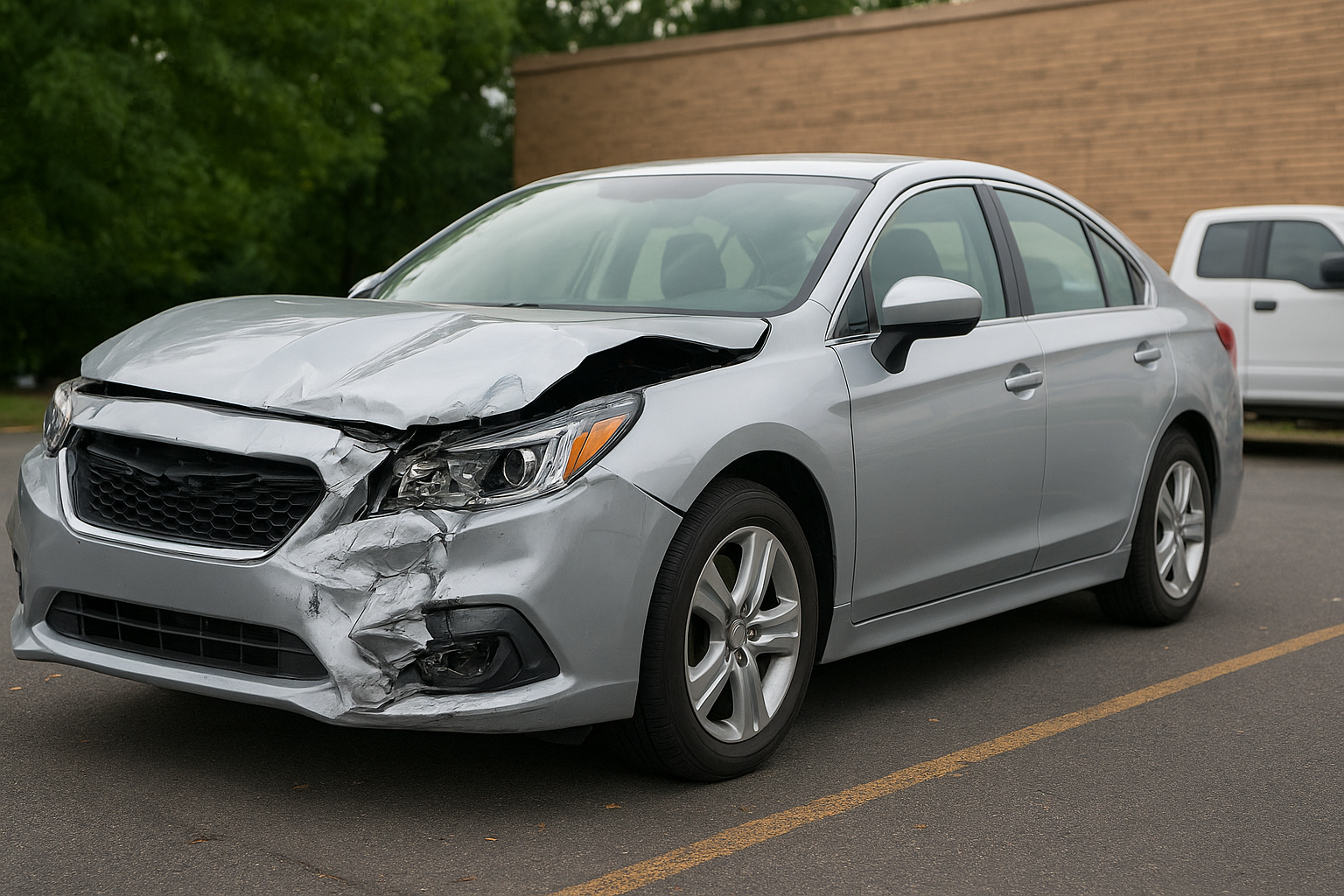
If you’ve ever driven a brand-new car off the lot, you are probably aware of how rapidly its value starts to decline. The majority of cars actually lose between 10 and 20 percent of their value in just the first year. If your new automobile is stolen or totaled a few months later, your auto insurance will pay you the vehicle’s actual cash value (ACV), not the amount you still owe on your loan or lease. The “gap” is the monetary difference between what your insurer pays and what you owe.
Guaranteed Asset Protection insurance, or GAP insurance, can help with that. It fills that gap so you don’t have to shell out thousands of dollars for a car you can’t drive.
For instance, you make a tiny down payment on a $35,000 automobile. It is completely destroyed in an accident six months later. Your remaining loan balance is $33,500, but your insurer values it at $30,000. You would still repay your lender $3,500 for a car you no longer own if you didn’t have GAP insurance. That difference would be covered by GAP insurance.
So when people ask, “How much is gap insurance?”, they’re really asking how much financial peace of mind costs in case the unexpected happens.
In today’s guide we are going to look at average cost of gap insurance, factors that affect its price, best ways to buy it and how to save money.

What Is Gap Insurance and How Does It Work?
Guaranteed Asset Protection insurance, or GAP insurance, is a unique kind of auto insurance that offers financial protection in the event that your automobile is stolen or damaged and you owe more on your loan or lease than the car’s true value.
Your auto insurer will pay you the vehicle’s current market value, also referred to as the Actual Cash Value (ACV), if your automobile is declared a total loss following an accident or theft. Your loan total can still be greater than that payout because, regrettably, autos lose value quickly. The gap between what your insurance covers and what you still owe the lender is filled by GAP insurance. In summary: GAP insurance = what you owe on your car – what your insurer pays after a total loss.
How Does Gap Insurance Work?
Let’s use a real-world example to make it clear:
- Car purchase price: $30,000
- Down payment: $2,000
- Loan amount: $28,000
- Accident after 1 year: Vehicle’s value depreciates to $23,000
- Insurance payout: $23,000 (ACV)
- Loan balance: $26,500
You still owe $3,500 more than what your insurance covers in this instance. You have to pay that $3,500 out of pocket if you don’t have gap insurance. However, gap insurance protects you from a financial setback by covering the difference.
What Gap Insurance Does and Doesn’t Cover
| What Gap Insurance Covers | What It Doesn’t Cover |
| The difference between your loan/lease balance and your car’s ACV after a total loss | Your deductible (unless specified by your insurer) |
| Total loss due to accident, theft, or natural disaster (if your main policy covers it) | Engine failure or mechanical repairs |
| Missed payments or late fees on your loan | |
| A new vehicle purchase — it only covers your current loan or lease |
Therefore, gap insurance enhances your ordinary accident and comprehensive coverage by guarding against financial losses due to loans, but it does not replace them.
Who Needs Gap Insurance Most
If you have a new car with a low-down payment (less than 20%), a long loan term (more than 48 months), have carried over negative equity from a prior car, or have a vehicle that depreciates quickly, you most likely require gap insurance. Additionally, gap insurance is often advised or even necessary when leasing a car.
Where To Buy Gap Insurance
Gap insurance can be purchased from any of the following agencies:
- Auto Insurance Companies – Usually added to your existing policy for $20–$60 per year.
- Car Dealerships – Sold at the point of purchase, often rolled into your financing (typically $400–$800 one-time).
- Banks or Credit Unions – Offered as part of auto loans, usually $200–$400.
It’s generally cheaper through your insurer than from a dealer or lender.
How Much Is Gap Insurance (Average Cost by Source & Type)
When people ask “How much is gap insurance?” the answer varies widely depending on where you buy it and how it’s structured. The cost can range from as little as $20 per year to as much as $800 upfront, depending on the provider, your vehicle type, and how your loan is financed.
Making an informed and financially sensible choice is made easier when you are aware of the average cost across various suppliers. Let’s examine each source separately.
Gap Insurance from Dealerships
The most popular, and frequently most costly, option is to purchase gap insurance straight from a car dealership.
- Average cost: Between $400 and $800 (one-time payment)
- Payment method: Usually rolled into your financing or lease
- Coverage period: Lasts until your loan or lease ends
- Refundable: Sometimes refundable if you pay off early or sell the car
Although getting coverage at the time of purchase may seem handy, dealerships usually mark up the price considerably. Your insurer may offer the same coverage for up to 80% less.
For instance, if the dealer adds $600 for gap coverage to your loan when you purchase a $35,000 automobile, you will be responsible for paying both the $600 plus interest over the course of the loan.
Before agreeing, always request the gap insurance cost in writing from the dealer and compare it to the quotation provided by your auto insurer.
Gap Insurance from Car Insurance Companies
The majority of large auto insurance providers allow you to add gap insurance to your current policy. This is frequently the most economical and adaptable choice.
- Average cost: $20–$60 per year
- Payment method: Added to your premium
- Coverage type: Optional add-on (usually for newer or financed cars)
- Availability: Offered by insurers like Progressive, GEICO, State Farm, Allstate, and Nationwide
Getting gap coverage from your current insurance company has the benefit of being able to be combined with your current policy, frequently at a significantly reduced cost.
Here’s What you should expect to pay based on current estimates:
| Insurance Company
|
Average Annual Cost | Availability | Notes |
| Progressive | $30–$60 | Add-on | Available for financed cars |
| GEICO | $20–$40 | Add-on | Covers up to 25% gap difference |
| State Farm | $25–$50 | Add-on | Not available in all states |
| Allstate | $25–$60 | Add-on | Includes new car replacement bundle |
| Nationwide | $30–$50 | Add-on | Can be bundled with collision coverage |
For example, if your annual premium for auto insurance is $1,200, adding gap coverage could result in a monthly premium increase of around $3 to $5, which is significantly less than dealership pricing.
Gap Insurance from Banks or Credit Unions
You might receive gap coverage straight from your lender if you finance your vehicle through a bank or credit union.
- Average cost: $200–$400 (one-time payment)
- Coverage period: Until your loan is paid off
- Refundable: Usually refundable if you refinance or pay early
Compared to dealerships, credit unions frequently provide more transparent pricing, and their coverage is typically on par with that of an insurer.
A one-time gap policy from a credit union might cost $250, which is roughly half what a dealership would charge for the same coverage. Inquire about “loan protection add-ons” if you finance via a credit union; several combine gap coverage with discounted disability or life insurance.
Factors That Affect the Cost of Gap
Not everyone will pay the same amount for gap insurance. The amount of risk the insurer is taking on is determined by a number of financial, personal, and vehicle-related criteria. You may learn why prices vary and how to get the greatest deal by being aware of these issues.
Vehicle Type and Price
The type and cost of your car have a significant impact on the cost of gap insurance. Expensive or luxury vehicles are more expensive to insure since they often depreciate more quickly and require more expensive repairs. A $60,000 luxury car, for instance, will often fetch a greater premium than a $25,000 compact car. In a similar vein, the amount of your loan or lease is crucial; the more you owe on your vehicle, the larger the possible difference between your loan balance and the car’s worth following a complete loss.
The Car’s Depreciation Rate
The rate at which your car depreciates has a direct impact on the cost of your gap insurance. While manufacturers with great resale value, like Toyota or Subaru, typically make gap coverage less expensive, cars that lose value quickly, such some luxury or imported models, create a larger gap sooner.
Long-term loans (five years or more) keep you “upside down” for a longer period of time, which raises your risk and the cost of your insurance.
Down Payment Size
The amount of your down payment is another important consideration. Your insurer’s risk is increased when you owe nearly the whole cost of the car due to a minimal or nonexistent down payment. On the other hand, a 20% or higher down payment can reduce or even completely eliminate the requirement for gap insurance.
Costs are also influenced by the source you purchase from; vehicle insurance firms give the lowest prices (around $20–$60 annually), while dealerships are the most expensive (about $400–$800). Credit unions usually charge between $200 and $400.
Your Location and State Regulations
State laws and your location may also have an impact on your premiums; drivers in states like Florida or California that have greater rates of theft or accidents may have to pay extra. When determining gap coverage costs, some insurers also take driving history and credit score into account, rewarding drivers with spotless records and strong credit with cheaper premiums.
Age Of Your Vehicle and the Type of Policy
Lastly, it matters what kind of insurance you get and how old your car is. Because they depreciate more quickly, new cars typically have higher gap insurance payments. However, once your loan balance falls below the car’s market value, you can discontinue coverage. Additionally, some insurers combine gap insurance with features like loan/lease payback protection or new car replacement, which may slightly increase your rate but provide more comprehensive coverage.
Is Gap Insurance Worth It?
Yes, GAP insurance is frequently worthwhile if you have a large auto loan, make a tiny down payment, or select a car that depreciates quickly, like a luxury vehicle or one with a lengthy loan term. By paying the difference between your car’s actual cash value (ACV) and the remaining loan balance in the event that it is totaled or stolen, it shields you from a potential financial shortfall.
Where and How to Buy Gap Insurance
Most car owners are shocked to discover that they have a variety of options when it comes to purchasing gap insurance, each with unique benefits, restrictions, and cost ranges. Knowing where to purchase can have a significant impact on both the price and the flexibility and convenience of your coverage. The primary places to buy gap insurance are listed below, along with some things to think about before deciding.
Your Auto Insurance Company
Purchasing gap insurance straight from your motor insurance provider is the simplest and frequently most economical option. Gap coverage is available as an addition to your current auto insurance policy from a number of top insurers, including GEICO, Progressive, State Farm, Nationwide, and Allstate.
Buying from your insurer is usually very inexpensive, costing between $20 and $60 annually. Additionally, you benefit from the ease of having all of your coverage under one policy, which facilitates payment and renewal management. Additionally, if you sell the automobile or pay off your loan early, you can stop the gap coverage at any time.
But not all insurance companies provide gap insurance, particularly for older cars or autos that have been in debt for a few years. Therefore, it’s a good idea to confirm your eligibility with your insurance provider.
From the Car Dealership
Another alternative, but typically the most costly, is to get gap insurance straight from your car dealership. Dealers frequently include the expense in your car loan or lease, so you will have to pay interest on it for many years. Dealership gap insurance typically costs between $400 and $800 for a single purchase.
Convenience is the benefit; you don’t need to deal with a different provider and may add it at the time you sign your loan or lease documents. The drawback is that you may wind up paying significantly more for precisely the same security.
Generally speaking, financial experts advise against purchasing dealership gap insurance unless you are unable to obtain it elsewhere or want it included in your financing for ease of use.
Through a Credit Union or Bank
A bank or credit union may also provide gap coverage if you finance your car through them. This option typically costs between $200 and $400 as a one-time payment, which is in the middle between dealership and insurer-provided gap insurance.
Since credit unions are frequently non-profit organizations, they are able to provide greater flexibility and better prices than dealerships. They also frequently let you add the expense to your loan without a large markup. Comparing this alternative is worthwhile, particularly if you currently use them for financing.
From Standalone Gap Insurance Providers
Additionally, there are independent or internet-based gap insurance companies that offer plans to customers directly. These businesses may provide specialized policies with different coverage levels and are experts in asset protection.
If your present insurer does not provide gap insurance or if you want additional features like deductible coverage or total loss replacement benefits, purchasing from a stand-alone provider may make sense. To make sure these businesses are trustworthy, do extensive research on them. Look for customer testimonials, ratings, and financial stability.
Our Recommendation
Purchasing gap insurance directly from your auto insurance provider is nearly always the best deal if it is available. It can be terminated without incurring penalties, is cheap, and is simple to administer. For fair pricing and transparency, think about credit unions next if they are unavailable. Because of their hefty markups and unstated financing expenses, dealerships should usually be your last option.
Make sure your insurance covers both theft and total loss scenarios before making a purchase by comparing at least two or three quotations. Additionally, if your loan balance falls below the market value of your vehicle, don’t forget to cancel gap insurance. One of the most frequent mistakes drivers make is continuing to pay for coverage they no longer require.
Read also: How Much Do Braces Cost Without Insurance?
FAQs On: How Much Is Gap Insurance?
How much is Gap insurance per month?
When acquired from an insurance carrier, gap insurance usually costs between $2 and $20 per month; if purchased from a dealership, the cost is a one-time flat sum of $400 to $700. When combined with complete coverage, the monthly cost is frequently less. auto insurance
Is gap insurance a one-time payment?
No, depending on how and where you buy it, gap insurance isn’t always a one-time payment. The policy’s specified duration (generally 2-4 years) can be covered by a one-time payment, usually made through a dealership. As an alternative, you might pay for it on a monthly or annual basis through your motor insurance company.
Can I buy gap insurance anytime?
No, you can’t usually acquire gap insurance at any time. Most carriers have a window of time following purchase, usually within the first 12 months, and policies are often limited to automobiles under a specific age (e.g., three years) and mileage. Time and car age/mileage limits are important considerations, even if you can buy it whenever you want before your loan is repaid.
Does gap insurance cover theft?
Yes, if your regular comprehensive insurance declares a stolen car to be a total loss, GAP insurance will pay it. It covers the gap between the amount you still owe on your loan or lease and the payoff from your comprehensive insurance (the car’s actual cash value).
Can I get a refund if I sell my car early?
If you sell your automobile before the 14-day “cooling-off” period has passed and you are returning it due to a defect, you will not be eligible for a reimbursement. Since you are the seller and not the owner, you won’t get a refund if you just decide to change your mind.
Can I buy gap insurance after purchasing my car?
Yes, If your car satisfies the eligibility conditions of the provider, you can still purchase gap insurance after you’ve purchased it. During the first one to three years of ownership, when depreciation is at its maximum, most insurance let you add gap coverage.
How long does gap insurance last?
Gap insurance lasts for the first two to three years of financing, or until your car loan debt is less than the vehicle’s actual cash value (ACV). To avoid paying for needless protection, you should terminate the coverage once your debt is less than the car’s value.
Does gap insurance cover your deductible?
Usually, not. Your collision or comprehensive deductible is typically not covered by ordinary gap insurance policies, however certain providers or extended policies may offer this as an add-on. Prior to purchasing, always read the fine print.
Is gap insurance mandatory?
There is no legal requirement for gap insurance. For the life of your loan or lease, you may be required to carry it by certain lenders and leasing firms. It’s highly advised if you owe a lot more than the current value of your car, even if it’s not necessary.
Can I get a refund if I cancel gap insurance early?
Yes! You are usually eligible for a prorated return for the unused amount of your coverage if you cancel your gap insurance early, such as after paying off your loan or selling your automobile. This primarily pertains to stand-alone or dealership-purchased coverage.
Does gap insurance transfer to a new car?
Not usually. Gap insurance does not immediately transfer when you purchase a new automobile because it is tied to a particular vehicle and loan agreement. For the new car, you will have to buy a new insurance and cancel the old one.
What is the best company for gap insurance in 2025?
For dependability and cost, Progressive, GEICO, State Farm, and Nationwide are among the top gap insurance companies in 2025. You may also discover competitive rates and first-rate customer service if you’re financing through a credit union.
Conclusion
Before you grasp how quickly a new automobile loses value the moment it leaves the dealership, gap insurance might not seem like a huge concern. If your car is damaged or stolen while you still owe more than its value, gap coverage can save you hundreds of dollars for just a few dollars a month.
Gap insurance typically costs $400–$800 at a dealership or $20–$60 annually through your insurer, but the financial security it provides much justifies the little price. It is particularly helpful if you drive a car that depreciates quickly, made a tiny down payment, or financed your automobile for five years or longer.
Comparing estimates from your credit union, dealership, and insurer before making a purchase is ultimately the wisest course of action. You can securely terminate the coverage and save money whenever your loan balance falls below the market value of your vehicle.
Gap insurance offers peace of mind while traveling, making it more than just an add-on. A small amount of additional coverage now can shield you from a significant financial loss later on.
-

 Auto Insurance11 months ago
Can I insure a Car Not In My Name?
-

 Auto Insurance11 months ago
How Much Is Gap Insurance?
-

 Dental Insurance11 months ago
How Much Do Braces Cost Without Insurance?
-

 Health Insurance11 months ago
Does Insurance Cover Vasectomy?
-
Dental Insurance11 months ago
How Much Is a Filling Without Insurance?